Compare and purchase Canada's best car insurance.
Car insurance coverage and pricing can vary widely among drivers and insurers. Learn how car insurance works in Canada, what affects your cost, and how Surex helps you compare options from multiple providers with support from licensed insurance advisors.


What is car insurance in Canada?
Car insurance provides financial protection if you’re involved in an accident, your vehicle is damaged, or you’re responsible for injuries or property damage. It’s mandatory across Canada, but coverage requirements and how insurance is purchased vary by province and territory.
Canada has three main auto insurance systems:
- Private insurance (Ontario, Alberta, New Brunswick, Nova Scotia, PEI, Newfoundland and Labrador, and the territories): Drivers purchase coverage from private insurers and can compare options and pricing from different providers.
- Public insurance (British Columbia, Saskatchewan, and Manitoba): Drivers purchase mandatory basic coverage from a government-run insurer, so they can’t shop around for a better price. Optional coverage may be available from private insurers.
- Hybrid insurance (Quebec): The province combines public and private insurance, with the government providing bodily injury coverage and private insurers covering property damage and other protections.
Learn more about car insurance requirements in your province: Find your province.
How comparing car insurance with Surex works
Surex makes it easy to compare car insurance quotes and coverage options from multiple providers, with support from a licensed insurance advisor along the way.
1. Tell us about yourself and your vehicle
This information helps insurers calculate your quotes and determine which coverage options are available to you.
2. Compare quotes and coverage options
Surex compares available options from multiple insurance providers, so you can see what different insurers have to offer.
3. Review your options with a licensed advisor
Your advisor can explain differences in coverage and price and help you understand which option best fits your needs.
Compare 10+ quotes and
speak to a dedicated advisor
Underwriting Specialist

Compare car insurance options from trusted Canadian providers
Surex works with a broad network of insurance providers, giving you access to a range of quotes,
coverage options, and policy features in one place. Since insurers assess risk differently,
comparing options can help you find coverage that best fits your needs.
Compare options from 10+ leading Canadian insurers, including:












Types of coverage we provide

Provides coverage to repair/replace your car if it's damaged in an at-fault accident, hit and run, or with an uninsured driver.

Typically covers fire, hail, theft, collision with an animal, vandalism, and falling objects, among others. (subject to a deductible).

Protects you or a family member if injured or killed in an accident caused by an uninsured/under-insured motorist.

Allows one 'free' at-fault accident, meaning your rates will not increase on your first accident if you remain with the same provider.

Windows are included in comprehensive*, however, you have the option to remove this coverage to lower your premium. (*Not included in Alberta.)

You can extend your car insurance coverage to protect you while driving a rental vehicle, up to a certain limit.

In the event of a "total loss", this coverage will protect you from depreciation. You’ll be entitled to the original price you paid/current sale price.

This allows for the protection of your “claims-free discount” in the event of your first claim.
What affects auto insurance rates in Canada?
Auto insurance rates in Canada are based on a combination of factors related to you, your vehicle, where and how you drive, and the coverage you choose. Because insurers assess these factors differently, the price you’re quoted can vary from one provider to another.
Key factors include:
- Driving history and claims: Your driving record and previous claims can influence how insurers assess your risk and calculate your premium.
- Your vehicle: Your car’s make, model, age, repair costs, safety features, and theft risk can all affect the cost of insurance.
- Your location: Traffic, claims patterns, vehicle theft, and other risks in your area can influence your premium.
- How you use your vehicle: Your driving habits, including your daily commute and annual kilometres, can affect your risk and insurance costs.
- Coverage and deductible choices: The coverage, policy limits, and deductible you choose can increase or decrease your premium.
- Driving experience: The amount of driving experience you have can also influence how insurers calculate your rate.
- Insurer assessment: Insurers assess and price risk differently, which is why the same driver can receive different quotes from different providers.
Understanding these factors can help explain why car insurance quotes vary. Comparing options from multiple providers can give you a clearer picture of the coverage and pricing available to you.
See how car insurance quotes can differ
The examples below show how much car insurance quotes can vary from one driver to another. These examples are for
illustrative purposes only and aren’t averages, guarantees, or indications of what you’ll pay.

Average car insurance prices in Canadian cities 2026
We reviewed thousands of car insurance quotes to find out how much drivers pay on average for their premium. See how your city compares.
City |
Annual Premium |
Monthly Premium |
|---|---|---|
Barrie |
$2,212 |
$184.33 |
Brampton |
$3,300 |
$275.00 |
Brantford |
$2,109 |
$175.75 |
Burlington |
$2,082 |
$173.50 |
Calgary |
$2,007 |
$167.25 |
Edmonton |
$2,099 |
$174.92 |
Guelph |
$1,539 |
$128.25 |
Halifax |
$1,267 |
$105.58 |
Hamilton |
$2,047 |
$170.58 |
Kingston |
$1,928 |
$160.67 |
Kitchener |
$1,851 |
$154.25 |
Lethbridge |
$1,596 |
$133.00 |
London |
$2,317 |
$193.08 |
Markham |
$2,398 |
$199.83 |
Mississauga |
$2,837 |
$236.42 |
Moncton |
$1,596 |
$133.00 |
Oakville |
$2,540 |
$211.67 |
Orillia |
$1,680 |
$140.00 |
Oshawa |
$2,250 |
$187.50 |
Ottawa |
$2,115 |
$176.25 |
Peterborough |
$1,739 |
$144.92 |
Red Deer |
$1,825 |
$152.08 |
Sault Ste. Marie |
$1,964 |
$163.67 |
Scarborough |
$2,721 |
$226.75 |
Thunder Bay |
$1,850 |
$154.17 |
Toronto |
$2,537 |
$211.42 |
Windsor |
$1,759 |
$146.58 |
Yellowknife |
$1,722 |
$143.50 |
Average prices are based on Surex quotes in the past 12 months for drivers with one vehicle and no claims. Updated April 2026.
What should you expect when making a car insurance claim?
While the claims process varies by province and insurer, here are the steps you’ll generally need to take when making a car insurance claim:
Make sure everyone is safe and document what happened.
Take photos and exchange contact and insurance information with anyone involved.- Report the incident if required.
Depending on what happened and where you live, you may need to contact police or a collision reporting centre. - Contact your insurer.
Tell them what happened and share any details or documents needed for your claim. - Your insurer will review your claim.
They’ll confirm your coverage, assess the damage, and explain what happens next. - Complete any required next steps.
Follow your insurer’s instructions for repairs, additional documentation, or anything else needed to process the claim.
Car insurance in Canada – FAQs
Car insurance in Canada typically costs between $1,156 and $2,316 per year, depending on your province. However, car insurance costs can vary widely based on your location, driving history, vehicle type, and coverage choices, so what you pay may be higher or lower than the average.
Car insurance in Canada is coverage that provides financial protection if you’re involved in an accident, your vehicle is damaged, or you’re responsible for injuries or property damage. Coverage requirements vary by province and territory.
Yes, car insurance is mandatory in Canada, but the specific coverage requirements vary by province. Most provinces require liability coverage and accident benefits as part of a standard policy.
Car insurance typically covers liability, damage to your vehicle, medical expenses, and protection if you’re involved in an accident with an uninsured driver. Coverage details can vary by policy and insurer.
The cost of car insurance is influenced by factors like your vehicle, driving history, location, and annual mileage. Broader trends, such as rising repair costs and auto theft, can also affect insurance rates across Canada.
Car insurance quotes differ between providers because every insurance provider calculates risk differently. Each insurer uses its own claims data and may place more importance on factors like your driving history, vehicle, or location when setting your rate.
Comparing car insurance quotes can help you understand differences in pricing and coverage so you can choose an option that fits your needs.
Surex compares car insurance quotes from multiple Canadian insurance providers in minutes after you answer a few questions about your vehicle, driving history, and location. You can then review pricing and coverage options with a licensed insurance advisor before choosing a policy.
A licensed insurance advisor helps you understand your coverage needs, compare available options, and choose a policy that fits. They can explain differences in coverage and price, answer your questions, and help you purchase your policy
Recent customer reviews
Find out why Canadians trust Surex for their insurance needs.

Helpful auto insurance guides
These guides help drivers understand how car insurance works, including coverage basics, cost factors, and tips for comparing policies.
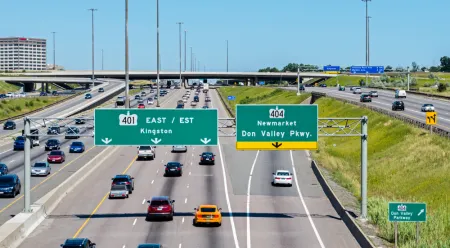
Even though Ontario eliminated sticker fees, renewing your vehicle registration is still legally required. Skipping it can lead to hefty fines and penalties.

To legally transfer vehicle ownership in Ontario via sale or gift, both parties need valid licenses, active insurance, and critically, the green vehicle ownership permit.
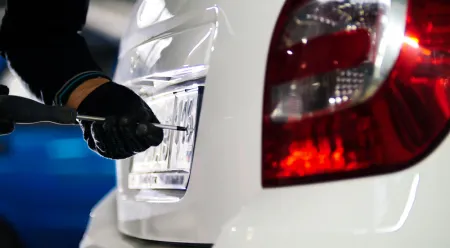
Ontario sees its share of vehicle-related crime, including stolen licence plates. Knowing how to replace one helps drivers stay prepared if it happens to them.