Understanding the difference between your insurance and the building’s
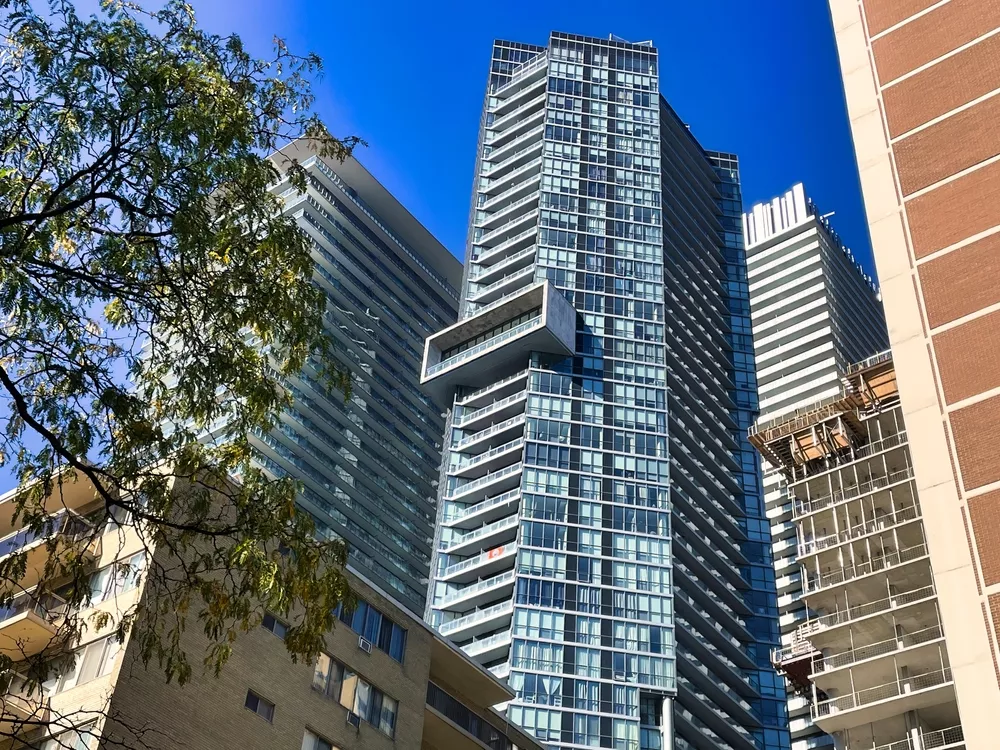
When you live in a condo, two main types of insurance policies may apply: the master insurance policy and your personal condo insurance policy.
The master policy, also known as condominium association or corporation insurance, is held by the condo association and typically funded through your condo fees. Because condo ownership involves shared spaces and responsibilities, this policy helps protect all unit owners from risks affecting the building as a whole. The exact coverage can vary by building, but there are generally two types:
- Bare walls: This only covers the structure of the building and common areas such as roofs, exterior walls, stairways, elevators, hallways, and grounds. Nothing inside your unit is covered.
- All-inclusive (or all-in): This covers the structure of the entire building, common areas, and fixtures in your unit, such as cabinets, flooring, and certain appliances.
While personal condo insurance is not mandatory in Canada, it’s strongly recommended. Unlike traditional homeowners, condo owners share ownership of the building but are fully responsible for what’s inside their unit. Personal condo insurance helps cover:
- Personal property: Furniture, electronics, clothing, and other belongings.
- Improvements: Renovations or upgrades you’ve made to your unit.
- Personal liability: Medical or legal costs if someone is injured in your unit or if you accidentally cause damage to another unit.
Understanding standard unit by-laws is also key. These by-laws define what is considered part of the original unit versus an upgrade, which plays a role in determining who is responsible for covering damage or repairs.
Depending on provincial regulations and your condo corporation’s by-laws, responsibility for insurable losses can vary. Be sure to review your documents regularly. If you’re unsure of anything, a Surex advisor can help you make sense of it.
Types of water damage and who’s responsible
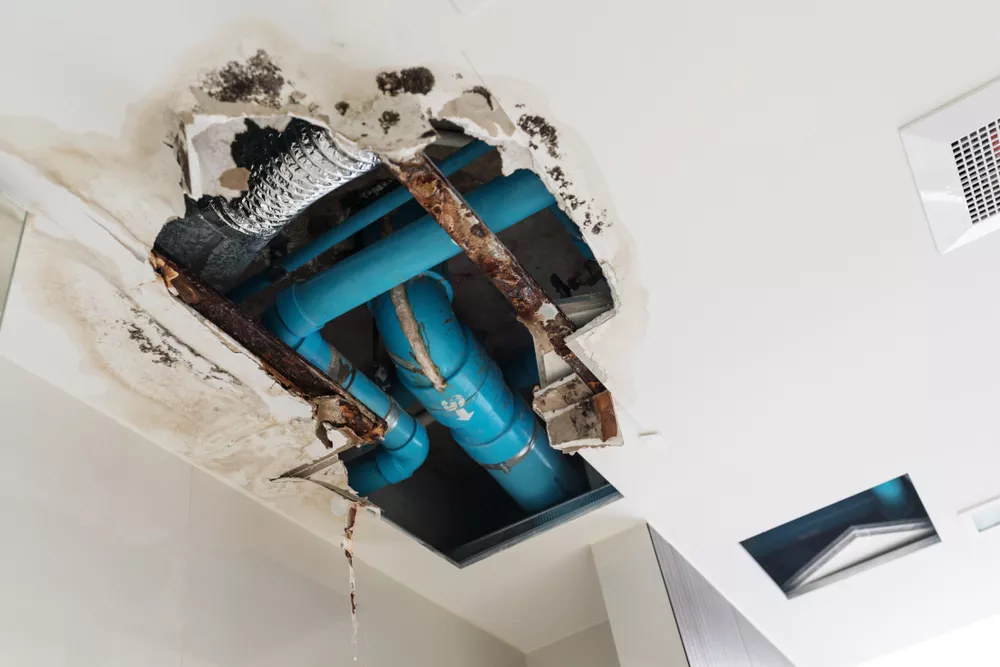
Burst pipes, plumbing leaks, and flooding are among the most common causes of water damage in condominiums. But when it happens, who pays?
The answer depends on several factors, including the source of the water, the location of the damage, and the terms of your condo corporation’s insurance policy. In general, understanding the difference between your personal condo insurance and the building’s master policy can help determine who is responsible for the costs.
Burst pipes
Causes
- Freezing temperatures
- High water pressure
- Corrosion or pipe age
- Clogs and blockages
- Ground movement from earthquakes or construction
Who is responsible?
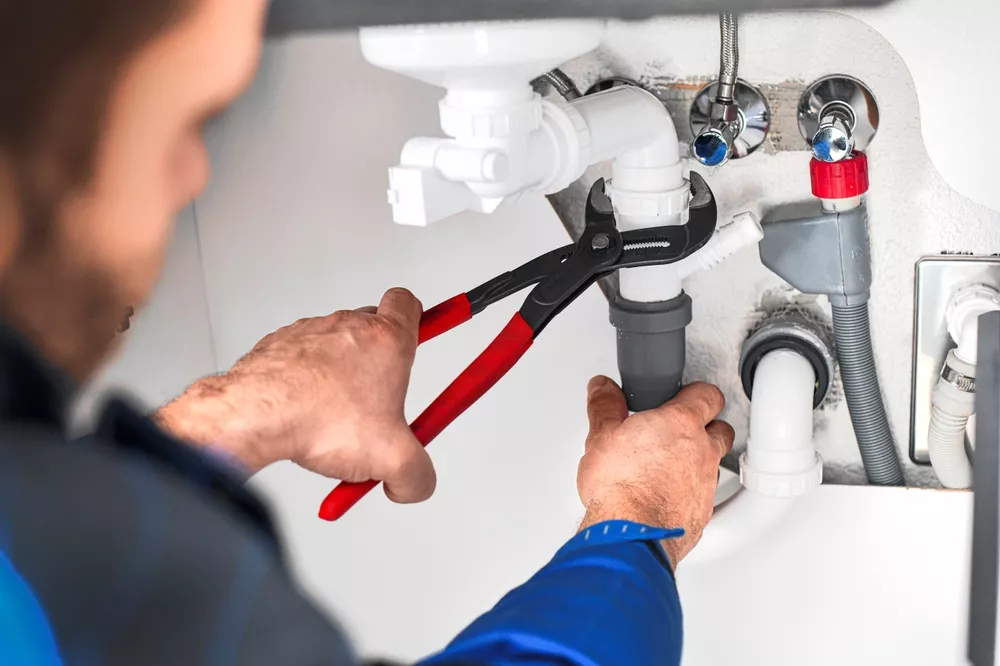
- If the pipe was inside your personal unit, then the damage is typically your responsibility.
- If the pipe bursts in a common area or inside a shared wall, the condo corporation is responsible.
How does insurance help?
- Individual insurance can cover damage to the interior or to any personal belongings.
- A standard master policy can typically cover pipe repairs and structural damage