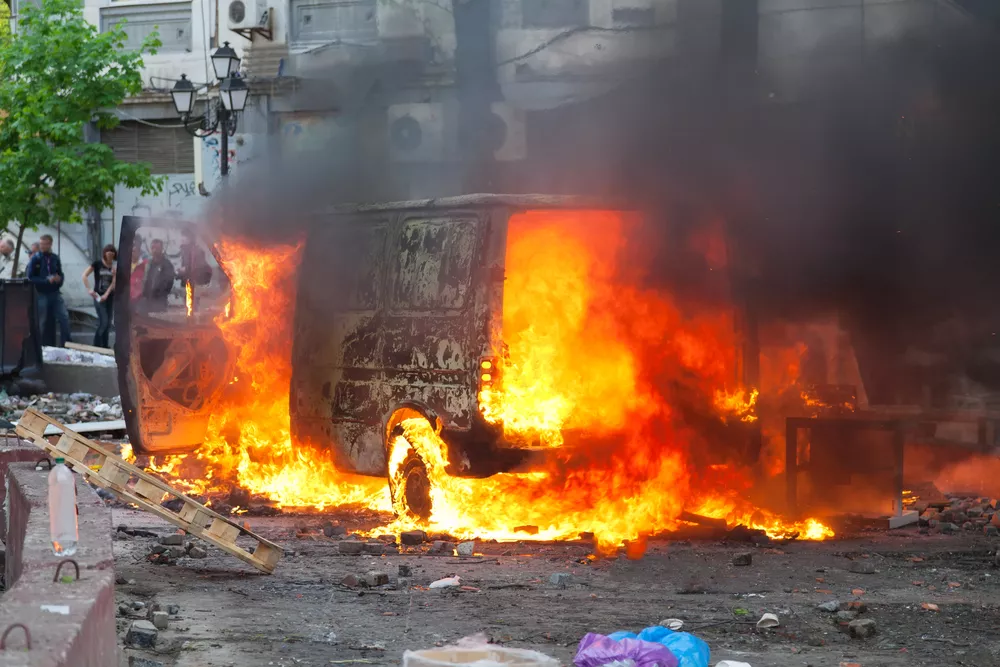
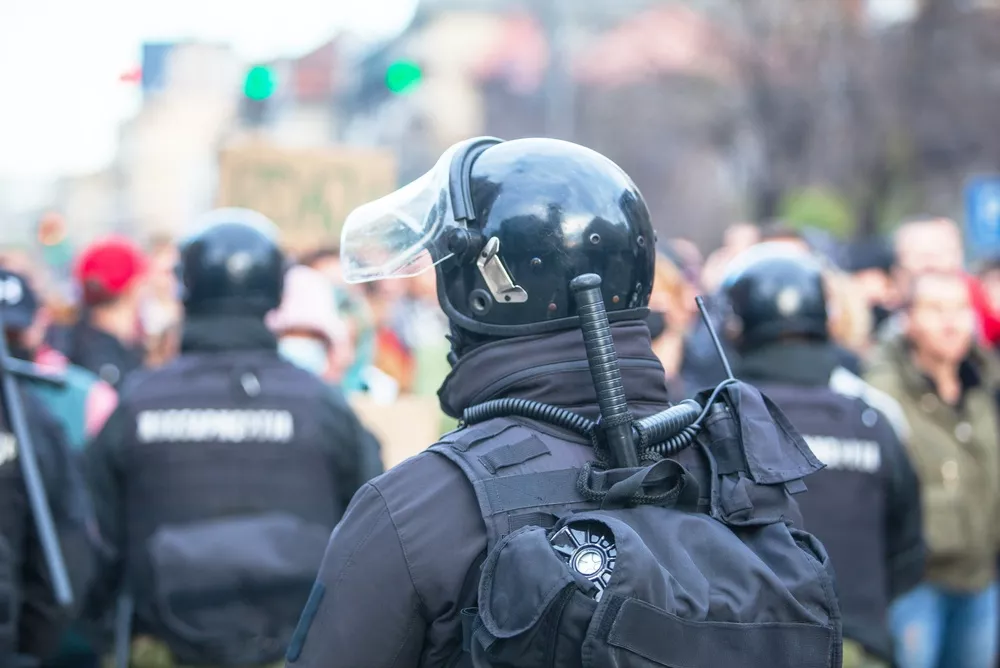
World events seem straight out of a war drama lately. Just when travel truly bounced back, many Canadian travellers are seeing trips cut short, interrupted or called off again, this time by civil unrest, armed conflict, or unexpected wars.
If you are planning a trip to countries that made headlines recently, like parts of Mexico, Iran, or the Middle East region, it is worth understanding one uncomfortable truth up front: your travel insurance coverage will have exclusions tied to violence or unrest. For Canadian travellers, that raises a stressful but important question: if something goes wrong, will my travel insurance cover it?
We decode how travel insurance treats war, violence, and civil unrest, what typically isn’t covered, what happens if you’re caught in the middle, the role of travel advisories, and what you can do to protect yourself before you take off.
War, unrest and terrorism exclusions
Travel insurance is generally designed for unexpected illness, accidents, routine mishaps, and not full-scale political crises. That’s why most Canadian policies carve out broad exclusions for violence, war and politically driven unrest.
Kristina Koch, Business Development Manager at Canadian travel insurance provider TuGo, points out, “war, civil unrest or riot, terrorism, insurrection, known event, participation, are all words that will show up in a travel insurance’s general exclusions” section.
Some common exclusions include:
- War and acts of war, whether declared or undeclared (including invasion, rebellion, insurrection and civil war).
- Civil disorder or unrest, riots, and popular uprisings.
- Terrorism or acts of terrorism, unless your policy specifically lists terrorism as a covered risk.
- Events that were known when you bought the policy, such as a travel advisory in place before purchase.
- Losses that arise if you refuse to travel, fearing unrest.
If you’re harmed or your property is damaged
Being stuck in a war-like scenario can trigger different parts of a travel insurance policy depending on how the event is classified and what happens as a result of it. Travellers often assume they’ll be covered and are not aware that different parts of a policy respond to different kinds of loss.
Koch says the policy will not respond to property damage due to unrest. “However, it will respond if the traveller is injured due to unrest or conflict as long as they’ve not participated in the event and as long as the event was unknown prior to them departing from their home province,” she said. So, even when medical claims might be considered, property claims often are not, and the timeline of events matter. If the event was already known before departure, you can run into exclusions.
Typically, you can expect the following outcomes on your policy:
Injury during unrest or an attack: Emergency medical coverage may still respond if the policy doesn’t exclude medical costs arising from the type of event. If you’re an innocent bystander in a riot or criminal incident, you’ll still be covered.
Property damaged or lost belongings: The baggage coverage usually covers theft, loss or damage caused by common perils but loss due to war or unrest can be excluded.
Trip cancellation or interruption: If an “Avoid all travel (Level 4)” advisory is issued by the government after you book and buy insurance, some insurance plans allow a cancellation or interruption claim or prepaid or non-refundable costs.