No ESI data
Skip to main content
×

A Canada Post service disruption is in effect and will impact the delivery of insurance paper documents.  Please contact your Surex Advisor for any questions you have regarding your policy.  Find your advisor.

surex logo
Start a quote
  • Car Insurance
  • Home Insurance
  • Condo Insurance
  • Tenant Insurance
  • Bundle
  • More Insurance
    • Motorcycle
    • ATV
    • Snowmobile
    • RV/Trailer
    • Business
    • Farm
    • Boat
    • Travel
    • Landlord
  • Blog
  • MySurex
  • MySurex
  • Car Insurance
  • Home Insurance
  • Bundle
  • Condo Insurance
  • Tenant Insurance
  • Motorcycle
  • ATV
  • Snowmobile
  • RV/Trailer
  • Business
  • Farm
  • Boat
  • Travel
  • Landlord
  • Blog
Surex Blog
  • Auto
  • Seasonal Vehicles & Recreation
  • Home & Condo
  • Tenant & Landlord
  • Commercial
  • Travel & More
  1. Home
  2. Blog
  3. Electric vehicles in Canada cost 36.8% more to insure than gas cars
  • Auto
  • auto insurance

Electric vehicles in Canada cost 36.8% more to insure than gas cars

Sep 29, 2025
6 min. read
Author
Jen Hart
Jennifer Hart
Editor
John Shmuel
John Shmuel
  • Auto
  • auto insurance
  • Facebook
  • Linkedin
  • X
Ev car and gas car

Electric or gas? This is a question many drivers face when deciding on their next vehicle as electric vehicle ranges grow and prices have become more competitive with gas cars.  

Insurance is often an overlooked factor when weighing the pros and cons of which vehicle to get. So, our research team analyzed quotes on Surex from the past 12 months to see what the average cost to insure an electric vehicle in Canada is, compared with a gas vehicle. 

We found that EVs, on average, cost more to insure. While a gas car costs an average of $2,289.27 a year to insure, for an electric vehicle, that figure jumped up to $3,131.43. That’s a 36.8% difference — a sizeable chunk for those looking to make the switch.  

So why the price discrepancy? We break that down below, as well as compare costs between gas and EVs to see which one might be right for you.  

Key findings 

  • The average electric car costs 36.8% more to insure versus an electric car  
     

  • EVs are most expensive to insure in Alberta, with an average insurance cost of $3,342.93. They’re cheapest in New Brunswick, with an average cost of $2,769.36 
     

  • Gas cars are most expensive in Ontario, with an average price of $2,464.18 and cheapest in Nova Scotia, with an average of $1,608.95 

Gas vs. electric vehicles — what to know 

Electric and gasoline cars differ in many ways, from overall cost to maintenance, as well as overall environmental impact.  

Gas-powered vehicles are more widely available, both new and used, and service centres are abundant. Mechanics are familiar with fixing traditional gas-powered vehicles compared to an EV — there’s no new technology to learn or adapt to. Refueling is quick and convenient, allowing drivers to get back on the road within minutes. 

EVs present a different picture. As newer technology, they often come with higher purchase prices thanks to advanced features and modern designs. Repair and replacement costs can also be steeper, especially when it comes to the battery. For example, replacing an EV battery can be so costly that insurers sometimes choose to write the vehicle off entirely. 

Another challenge is infrastructure. Charging stations are not yet as widespread as gas stations, which means road trips often require extra planning. And unlike the quick stop at a pump, recharging an EV takes significantly longer. 

EV insurance costs 

Electric cars can cost more to insure than gas vehicles, mainly because repairs and battery replacements are pricey. But it’s not all bad news. EVs often qualify for green vehicle discounts, tend to have lower theft rates, and come packed with safety tech that can help bring costs down.  

But, at the end of the day, your insurance rate will still come down to factors like the vehicle you own and your personal driving record. Premiums can differ greatly based on the make and model, the insurer, and even where you live.  

Crunching the numbers

Province

EVs

Gas

Alberta

$3,342.93  


$2,344.19  

New Brunswick

$2,769.36  


$1,704.76  

Nova Scotia

$3,009.30  


$1,608.95 

Ontario

$2,932.72  


$2,464.18 

Repairing an EV vs. a gasoline vehicle 

EVs have fewer moving parts and require less routine maintenance costs over the life of the vehicle. But, as we already know, battery replacement can be a major cost, even though modern EVs are equipped with long-lasting batteries and backed by extended warranties. 

Routine upkeep is simpler and cheaper for EVs (no oil changes, for example) while gas cars need more frequent servicing, such as oil and filter changes, spark plug replacements, transmission work, and other regular maintenance. Over time, these recurring expenses add up, making them more costly to maintain despite their generally lower purchase prices. 

You should also take into consideration the scarcity of technicians who can service your electric vehicle. The number of qualified mechanics and independent shops trained to repair EVs is still limited compared to traditional vehicles. This can increase repair costs due to specialized labour and potentially longer wait times.  

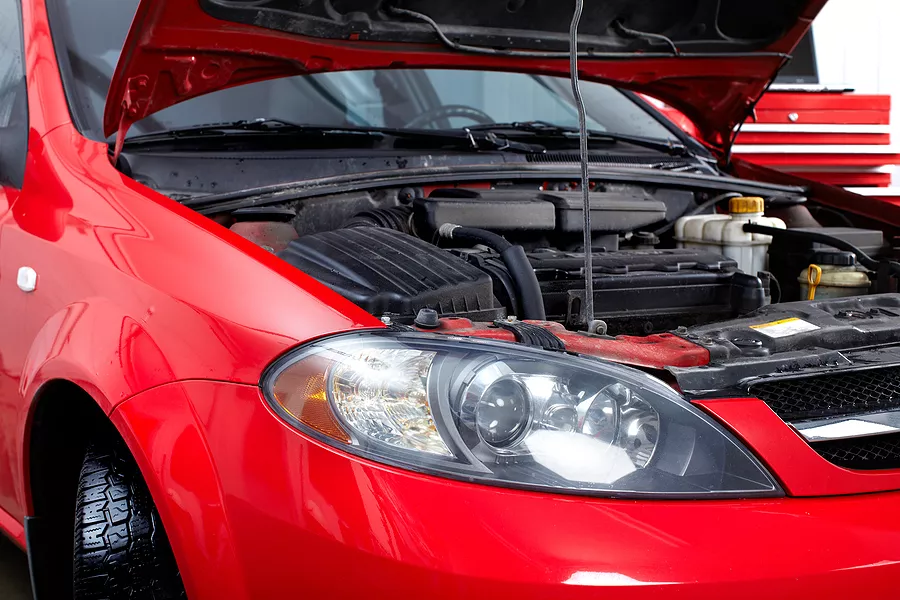
car with the hood up

Factors influencing EV insurance costs 

Many factors are considered when determining your insurance rate. Because every driver’s situation is different, there’s no single coverage or price that works for everyone. Policies are personalized to reflect your unique risk profile and needs. 

Here is a more detailed look at the factors that can impact the cost of your insurance. 

  • Higher replacement cost – EVs are often more expensive to purchase than an equivalent gas car, making them more costly to replace after an accident.  

  • Battery replacement: The cost to replace an EV battery is a significant factor, as it can be very expensive and sometimes equivalent to the cost of buying a new car. In some cases, the price is so high that insurers may choose to write the vehicle off altogether. 

  • Vehicle make and model – The EV make and model, and how it stacks up against a comparable gas vehicle, plays a major role in insurance costs. Higher-value EVs (or those packed with advanced technology) often come with steeper premiums, much like luxury cars in the gas-powered market. 

  • Lack of claims data - Insurers have less historical claims data on EVs than on traditional gas cars, making it harder for them to accurately assess risk and set premiums.  

  • Insurance provider- Insurance prices can differ significantly from one company to another. As EVs become more common, some insurers are offering more competitive rates. That’s why it pays to shop around and compare quotes to find the best deal. 

  • Driving history - No matter the vehicle type, factors like your driving history, age, and where you live will still have a major impact on your insurance costs. 

Electric vehicle pros and cons:

Electric vehicles (EVs) provide savings on fuel and maintenance, deliver a smoother ride, and produce fewer emissions. However, they also come with higher upfront prices, limited driving range, and longer charging times compared to gas-powered cars.

PROS 

CONS 

✅ Lower maintenance costs  

❌Higher upfront costs  

✅ Environmentally friendly 

❌Limited range 

✅ Quieter and smoother ride 

❌Longer “refueling” times 

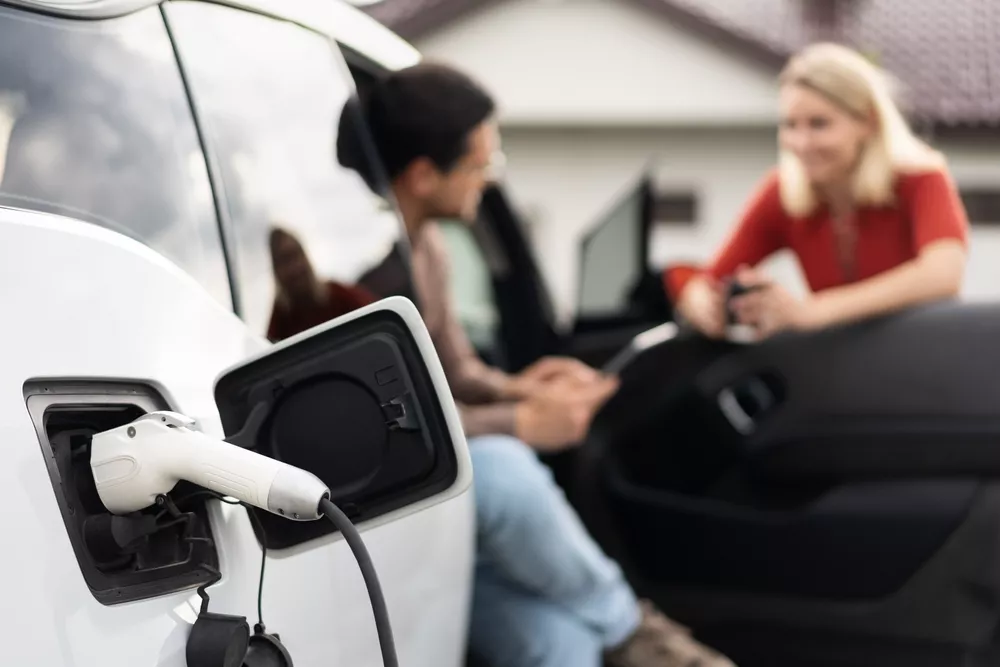
EV charging

Gasoline vehicle pros and cons:

Gas-powered cars offer longer driving ranges and quick, convenient refueling, but they come with higher fuel and maintenance expenses, produce more emissions, and deliver less instant power.

PROS 

CONS 

✅ Longer driving range 

❌Environmental Impact

✅ Faster refueling 

❌Higher operating costs

✅ Lower purchasing price 

❌Less energy efficient

✅ Established infrastructure 

✅ Wider Availability 

Both gas and electric cars have clear pros and cons. Deciding between a gas-powered car and an EV ultimately comes down to your budget, driving habits, charging access, and what you value most — whether that’s cost, convenience, or your environmental priorities.  

In the end, the best choice isn’t one-size-fits-all; it’s about weighing the pros and cons and choosing the vehicle that best fits your lifestyle and budget.  

Find the best car insurance rates today.

START A QUOTE
Jen Hart

Jennifer Hart

Jennifer is the marketing specialist and content writer at Surex. Before transitioning to insurance and marketing, she built a journalism career in print and broadcast, freelancing for publications like Maclean’s Magazine and working in live production at Global News Toronto and CBC Toronto. As the industry evolved, she earned a Digital Media Marketing certification from George Brown College, allowing her to continue crafting compelling stories across digital platforms.
 

John Shmuel

John Shmuel

John is the Director of Content and SEO at Surex. He has a passion for taking complex financial topics and making them easy to understand for everyone. John is an experienced marketing leader, having led content teams at several insurance and finance-focused companies. John also regularly appears in the media as a financial expert, including making appearances in the Globe and Mail, CTV and CBC. He was formerly a business reporter at the National Post and is a graduate of the journalism program at Toronto Metropolitan University.

Share this article
  • Facebook
  • Linkedin
  • X

Related Articles

woman in parking garage looking for her car
  • Auto

What are the Most Stolen Cars in Canada for 2026?

In Canada, any car can be stolen, but certain models are targeted more—learn which vehicles top the most-stolen list to help protect your investment.

Nov 24, 2025
6 min. read
Read Article
people testing the CO alarm
  • Home & Condo

The guide on how to protect your home from carbon monoxide

During Canadian winters, blocked vents from snow can cause deadly carbon monoxide buildup—regularly check furnace, water heater, dryer, and chimney vents to ensure they’re clear.

Nov 3, 2025
5 min. read
Read Article
coffee shop
  • Travel & More

General Liability vs. Professional Liability: Which Insurance Does Your Business Need?

General liability covers physical risks, while professional liability protects against financial losses from services or advice—both essential for complete business protection.

Oct 31, 2025
5 min. read
Read Article
surex logo
  • Contact Us
    • support@surex.com
    • 1-855-MYSUREX
    • P.O. Box 100
    • Magrath AB T0K 1J0
  • Insurance
    • Auto
    • Home
    • Bundle
    • Business
    • Condo/Strata
    • Tenant
    • Farm
    • Travel
    • Motorcycle
    • Snowmobile
    • Trailer and RV
    • Boat
    • ATV
    • Landlord
  • Our Process
    • Why Surex?
    • How it Works
    • Find an Advisor
    • Carriers
    • File a Claim
    • FAQ
    • Our Insurance
    • Commission Disclosure
    • Payments
    • Valued Partners
    • Sitemap
    • Glossary
  • Company
    • About Us
    • Careers
    • Blog
    • Contact Us
    • In the News
    • Privacy Policy
    • Reviews

Copyright © 2011 surexdirect.com Ltd. All rights reserved.
® INSURANCE MARKETPLACE is a registered trademark of surexdirect.com Ltd.

Surex
Start an insurance quote now
START FREE QUOTE NOW

Surex uses cookies to enhance your browsing experience. By continuing to use the site, you agree to our Privacy Policy.