No ESI data
Skip to main content
surex logo
Start a quote
  • Car Insurance
  • Home Insurance
  • Condo Insurance
  • Tenant Insurance
  • Bundle
  • More Insurance
    • Motorcycle
    • ATV
    • Snowmobile
    • RV/Trailer
    • Business
    • Farm
    • Boat
    • Travel
    • Landlord
  • Blog
  • MySurex
  • MySurex
  • Car Insurance
  • Home Insurance
  • Bundle
  • Condo Insurance
  • Tenant Insurance
  • Motorcycle
  • ATV
  • Snowmobile
  • RV/Trailer
  • Business
  • Farm
  • Boat
  • Travel
  • Landlord
  • Blog
Surex Blog
  • Auto
  • Seasonal Vehicles & Recreation
  • Home & Condo
  • Tenant & Landlord
  • Commercial
  • Travel & More
  1. Home
  2. Blog
  3. Will Your Homeowners Insurance Cover Plumbing Repair Costs?
  • Home & Condo
  • Home Insurance

Will Your Homeowners Insurance Cover Plumbing Repair Costs?

Aug 17, 2026
6 min. read
Author
Insurance writer Caitlin
Caitlin McCormack
Editor
Jennifer Hart
Jennifer Hart
  • Home & Condo
  • Home Insurance
  • Facebook
  • Linkedin
  • X
couple fixing bathroom leak

*This article is updated from its original version published on Jan 3, 2023 

A burst pipe, leaking washing machine hose or failing hot water tank can cause thousands of dollars in damage to your home in just a matter of hours. When that happens, one of the first questions many homeowners ask is: Will my home insurance cover this? 

The answer isn't always straightforward. 

In many cases, a standard home insurance policy covers the damage caused by a sudden and accidental plumbing failure, but it usually doesn't pay to repair or replace the plumbing component that failed. Coverage can also vary between insurers, and optional water damage endorsements may be needed for certain types of claims

Does home insurance cover plumbing repairs? 

One of the biggest misconceptions about home insurance is that it covers every plumbing problem. In reality, home insurance is designed to protect you from sudden, unexpected losses, not routine maintenance or normal wear and tear. 

"Generally speaking, the cause of the loss is not covered, but the resulting water damage is covered," says Rob de Pruis, National Director of Consumer and Industry Relations at the Insurance Bureau of Canada (IBC). 

In other words, if a pipe, appliance or plumbing fixture suddenly fails and causes water damage to your home, your insurer may pay to repair the resulting damage to your walls, floors, ceilings or belongings. However, you'll typically be on the hook for repairing or replacing the plumbing component that caused the leak. 

For example: 

  • Covered: A water supply line suddenly bursts behind a wall, damaging your drywall and flooring. Your insurance may cover the resulting water damage, but not the cost of replacing the failed pipe. 
  • Not covered: An aging washing machine hose wears out and needs to be replaced before it causes any damage. Replacing the hose is considered routine maintenance and is your responsibility. 

What kind of water damage is covered under a standard home insurance policy? 

While every insurer is different, most standard home insurance policies cover what’s referred to as “sudden and accidental” water damage that originates from plumbing or mechanical systems inside your home. 

"Standard home insurance policies cover resulting water damage from sudden and accidental escape of water from within a plumbing, heating, cooling, sprinkler or air conditioning system,” says de Pruis. “Essentially, this includes sudden and accidental plumbing leaks from burst pipes, malfunctioning taps, improper connections or hot water tank failures." 

Examples of water damage that may be covered include: 

  • Burst water pipes 
  • A plumbing connection that suddenly fails 
  • A malfunctioning faucet that unexpectedly causes flooding 
  • A hot water tank that suddenly ruptures 
  • A sprinkler system that unexpectedly leaks 

"Every insurance company is different,” says Christy Barsalou, President and CEO of QuickFacts. “What is standard with one company might not be the standard with the next company." 

That's one reason why working with an insurance broker or comparing coverage online can be helpful. A broker can explain what's included in your policy, identify any gaps in coverage and recommend additional protection based on your home's specific risks. 

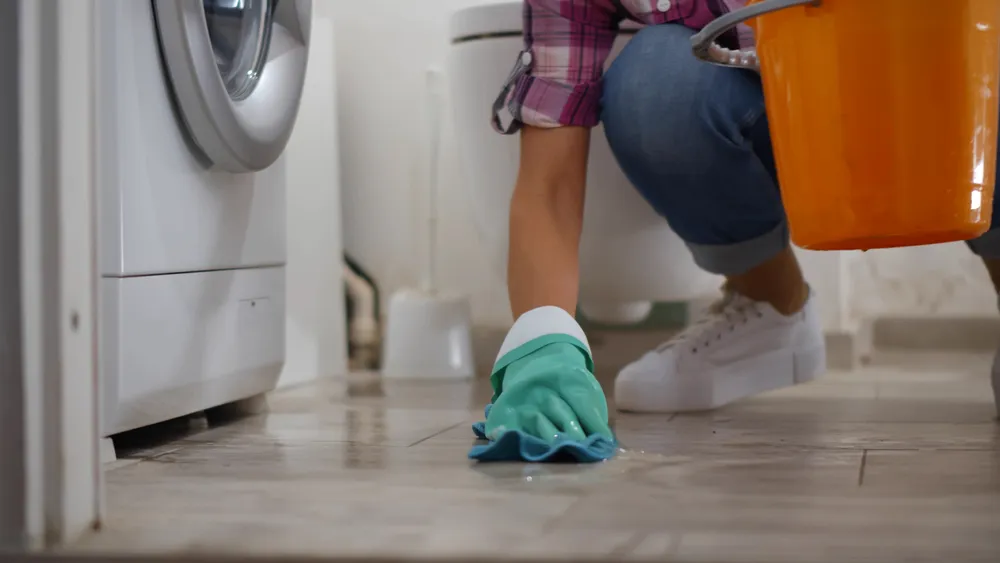
flooded laundry room

What plumbing repairs are not covered? 

Although home insurance often covers water damage caused by a plumbing failure, it usually doesn't cover the plumbing repair itself. 

Most insurers exclude damage caused by: 

  • Normal wear and tear 
  • Deterioration over time 
  • Corrosion 
  • Poor maintenance 
  • Manufacturing defects 
  • Intentional or criminal acts 

For example, de Pruis explains that if an old washing machine hose bursts, your policy may cover the resulting water damage to your home, but not the cost of replacing the hose itself, since it failed due to normal wear and tear. 

The same applies to an aging hot water tank. 

"If a hot water tank is past the life expectancy and fails due to age, the cost of replacing the hot water tank is not covered, but the resulting water damage is covered." 

This distinction often surprises homeowners, but insurance is meant to help restore your home after an insured loss — it's not intended to pay for routine maintenance or replacing worn-out equipment. 

Does negligence affect your home insurance coverage? 

One of the biggest factors that can affect whether your claim is approved is how the damage occurred.  

For example, imagine you notice your washing machine is leaking every time you use it. Instead of having it repaired, you continue using it for several weeks until water damages your flooring and finished basement. 

Because the leak developed over time and wasn't addressed, your insurer may determine the damage resulted from poor maintenance rather than a sudden event, and deny the claim. 

Similarly, if you ignore a slow leak under a sink until mould develops behind the cabinets, your claim may be denied because homeowners are expected to maintain their property and address known issues promptly. 

That said, wear and tear doesn't automatically mean every claim will be denied. 

"Home insurance policies exclude wear and tear, deterioration or defect, however depending on the situation, resulting damage might be covered," de Pruis notes. 

For example, if an older hot water tank suddenly fails and releases water throughout your basement, your insurer may not pay to replace the tank itself. However, the resulting damage to your flooring, drywall and personal belongings may still be covered because the water escaped suddenly. 

The key difference is whether the damage happened unexpectedly or developed gradually over time. 

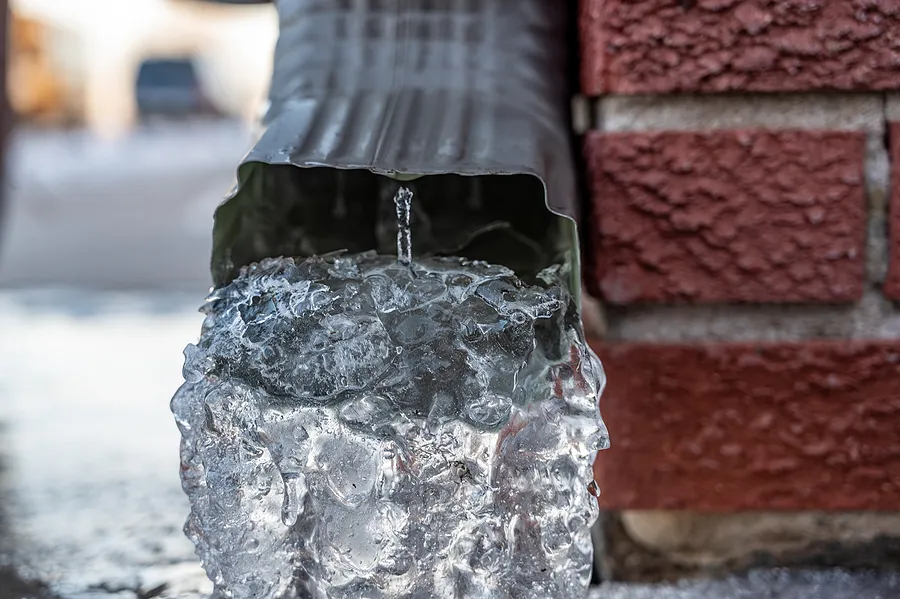
frozen exterior pipe

Does home insurance cover damage caused by frozen pipes? 

Frozen pipes are one of the most common causes of winter water damage in Canada. Whether your insurance covers the damage depends on why the pipes froze. 

If the damage was caused by a sudden, unexpected event, there's a good chance it will be covered. However, if the pipes froze because you failed to take reasonable steps to protect your home, your claim could be denied. 

For example: 

  • Covered: Your furnace unexpectedly stops working while you're away for the weekend. The temperature inside your home drops, causing a water pipe to freeze and burst. Because the furnace failure was sudden and accidental, your insurer may cover the resulting water damage, depending on your policy. 
     
  • Potentially not covered: You leave for a winter vacation and turn off the heat to save money without shutting off your water supply or winterizing your plumbing. While you're away, the pipes freeze and burst. In this situation, your insurer may determine that reasonable precautions weren't taken to protect your home, meaning the claim could be denied. 

If you're leaving your home during the winter, check your policy for any requirements related to maintaining heat, shutting off your water supply or having someone check on your property. Many insurers include specific conditions for vacant or unattended homes. 

how to prevent pipes from freezing
Recommended

How to Prevent Pipes from Freezing

Canadian winters are harsh, and neglecting plumbing can lead to frozen pipes. Proper winter maintenance helps homeowners prevent costly and stressful pipe damage in cold weather.

Does home insurance cover sewer backups? 

Many homeowners are surprised to learn that sewer backup coverage is not automatically included in a standard home insurance policy. Instead, it's typically offered as an optional endorsement that you can purchase for an additional premium. 

Sewer backup coverage generally protects against damage caused by the sudden backup of: 

  • Municipal sewers 
  • Drains 
  • Septic systems 
  • Sump pumps 
  • Interior plumbing pipes 

Without this optional coverage, damage caused by a sewer backup may not be covered. Because sewer backups can result in extensive property damage and costly cleanup, it's worth asking your insurance broker whether this coverage is included in your policy and whether your coverage limits are appropriate for your home.

Does home insurance cover underground sewer and water lines? 

Standard home insurance policies generally do not cover damage to underground service lines on your property. However, many insurers offer service line coverage as an optional endorsement. 

This coverage can help pay for repairs if underground water, sewer or electrical lines that service your home are damaged. Depending on your policy, it may also cover expenses such as excavation, landscape restoration and even temporary living costs if your home becomes uninhabitable during repairs. 

According to the IBC, homeowners are generally responsible for the underground water, sewer and utility lines that run from the property line to the home's foundation. Infrastructure beyond the property line is typically the municipality's responsibility.

Does home insurance cover overland flooding? 

In most cases, a standard home insurance policy does not automatically include overland flood coverage, as Canada’s flood insurance market has changed dramatically over the last decade. 

Overland flooding occurs when water enters your home from outside after heavy rainfall, rapid snowmelt or overflowing rivers, lakes or streams. 

Fortunately, many insurers now offer overland flood protection as an optional endorsement.  

“Insurers are offering overland flood coverage to about 94% of Canadians,” de Pruis notes. “The remaining 6% that are ineligible are in areas of highest risk of flooding, where coverage may be unavailable or unaffordable.” 

Some insurers also offer optional groundwater and seepage coverage or include these protections within enhanced overland flood endorsements. 

Because coverage varies between insurance companies, it's important to review your policy carefully and ask your broker what types of water damage are covered. 

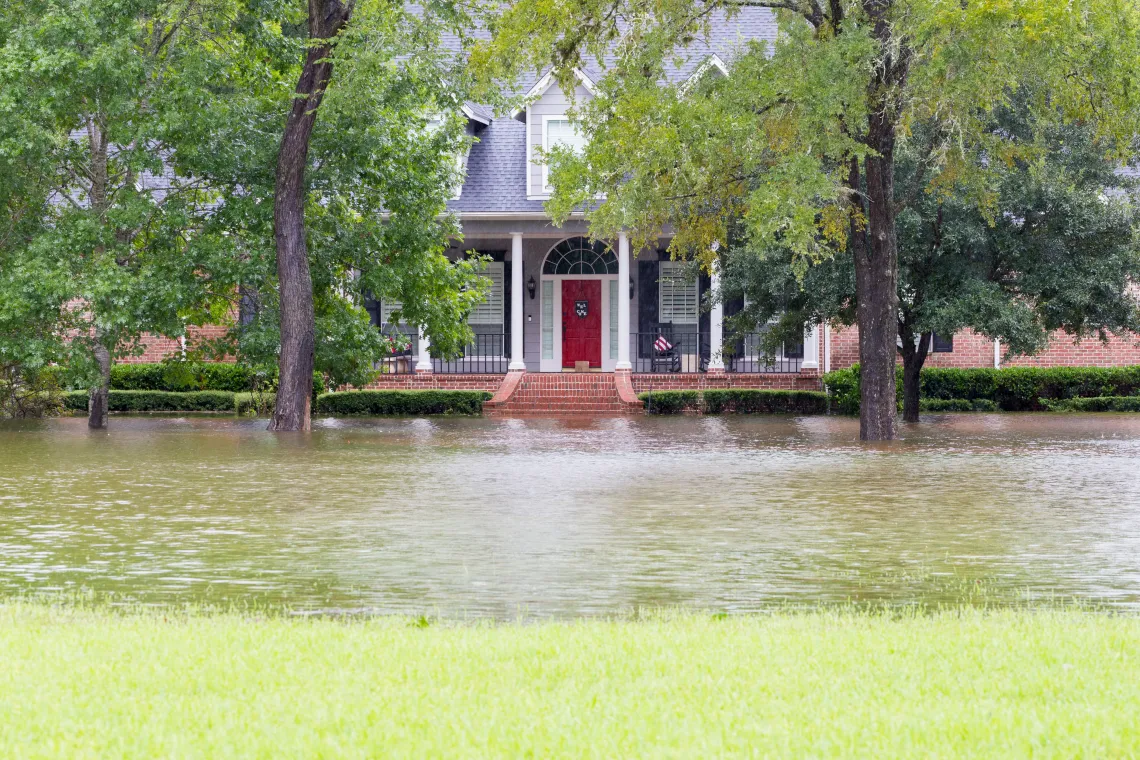
flooded house exterior

What optional water coverages should homeowners consider? 

Water damage is one of the leading causes of home insurance claims in Canada, which is why many insurers offer optional endorsements that provide additional protection. 

Depending on your insurer, you may be able to add: 

  • Sewer backup coverage: Protects against water damage caused by the sudden backup of sewers, drains, sump pumps, septic systems or plumbing pipes. 
  • Overland flood coverage: Protects against flooding caused by heavy rainfall, overflowing rivers, lakes or surface water from melting snow. 
  • Service line coverage: Helps pay to repair or replace damaged underground water, sewer or electrical service lines located on your property. 

Keep in mind that these endorsements may have their own deductibles, coverage limits and exclusions. 

What should you do if you discover water damage? 

If you experience a plumbing leak or another type of insured water loss, acting quickly can help reduce damage and improve the claims process. 

Here are a few steps to take: 

  • Shut off the water supply if it's safe to do so. 
  • Contact your insurance company as soon as possible. 
  • Take photos and videos of the damage before cleanup begins. 
  • Remove standing water if it's safe to do so. 
  • Keep receipts for emergency repairs or cleanup services. 
  • Avoid throwing away damaged items until your insurer advises you. 

“Water damage claims, if not addressed quickly, can cause extensive damage from mold and mildew,” says de Pruis. “Expert flood remediation contractors should be brought in to properly complete the necessary emergency clean up and dry out.” 

Professional restoration companies can often begin drying your home immediately, helping minimize additional damage while your claim is being processed. 

How can you help prevent plumbing-related water damage? 

Although not every plumbing problem can be avoided, regular maintenance can significantly reduce your risk of costly water damage. 

Consider these preventive tips: 

  • Inspect exposed plumbing regularly for signs of leaks or corrosion. 
  • Replace aging washing machine hoses before they fail. 
  • Have older hot water tanks inspected and replaced before they reach the end of their expected lifespan. 
  • Know where your home's main water shut-off valve is located. 
  • Repair leaks as soon as you notice them. 
  • Insulate exposed pipes before winter. 
  • If you're travelling during the winter, follow your insurer's requirements for protecting your home from frozen pipes. 

A little preventative maintenance today could help you avoid a much larger repair bill tomorrow.

Review your coverage before a plumbing emergency happens 

Home insurance can provide valuable financial protection when a plumbing failure causes sudden and unexpected water damage, but it isn't designed to cover routine maintenance or aging plumbing components. 

In most cases, your policy may cover the damage caused by a burst pipe, failed plumbing connection or leaking hot water tank, while the cost of repairing or replacing the plumbing component itself remains your responsibility. 

Coverage can also vary between insurers, and important protections like sewer backup, overland flood and service line coverage are often optional endorsements rather than standard features. 

If you're unsure what's included in your policy, speak with your insurance provider. Reviewing your coverage before a plumbing emergency happens can help ensure you're protected when you need it most. 

Find the best insurance rates today.

START A QUOTE
Insurance writer Caitlin

Caitlin McCormack

Caitlin specializes in personal finance, insurance, and consumer issues. With a strong foundation in journalism and years of experience writing for Canadian and international media outlets, she excels at making complex financial topics clear and relatable. Caitlin is a graduate of the journalism program at Toronto Metropolitan University.

Jennifer Hart

Jennifer Hart

Jennifer is the Digital Content Editor at Surex. Before transitioning to insurance and marketing, she built a journalism career in print and broadcast, freelancing for publications like Maclean’s Magazine and working in live production at Global News Toronto and CBC Toronto. As the industry evolved, she earned a Digital Media Marketing certification from George Brown College, allowing her to continue crafting compelling stories across digital platforms.
 

Share this article
  • Facebook
  • Linkedin
  • X

Helpful insurance guides

Explore helpful guides that explain how insurance works in Canada, including coverage basics, cost factors, and common policy terms.

people reviewing insurance paperwork
  • Auto
  • Home & Condo

The Benefits of Using an Insurance Broker vs Buying Direct

Online insurance looks easy, but direct buying can leave you undercovered when claims happen. Working with a broker ensures your policy actually protects you.

Jul 6, 2026
6 min. read
Read Article
home with for sale sign on front lawn
  • Home & Condo

What You Need to Disclose When Selling Your House

Home sellers in Canada must disclose hidden material defects, as failing to do so can lead to serious legal and financial consequences.

Jan 6, 2026
6 min. read
Read Article
people testing the CO alarm
  • Home & Condo

The Guide on How to Protect Your Home from Carbon Monoxide

During Canadian winters, blocked vents from snow can cause deadly carbon monoxide buildup—regularly check furnace, water heater, dryer, and chimney vents to ensure they’re clear.

Nov 3, 2025
5 min. read
Read Article
go to blog
surex logo
  • Contact Us
    • support@surex.com
    • 1-855-MYSUREX
    • P.O. Box 100
    • Magrath AB T0K 1J0
  • Insurance
    • Auto
    • Home
    • Bundle
    • Business
    • Condo/Strata
    • Tenant
    • Farm
    • Travel
    • Motorcycle
    • Snowmobile
    • Trailer and RV
    • Boat
    • ATV
    • Landlord
  • Our Process
    • Why Surex?
    • How it Works
    • Find an Advisor
    • Carriers
    • File a Claim
    • FAQ
    • Our Insurance
    • Commission Disclosure
    • Payments
    • Valued Partners
    • Sitemap
    • Glossary
  • Company
    • About Us
    • Careers
    • Blog
    • Experts
    • Contact Us
    • In the News
    • Privacy Policy
    • Reviews

Copyright © 2011 surexdirect.com Ltd. All rights reserved.
® INSURANCE MARKETPLACE is a registered trademark of surexdirect.com Ltd.

Surex
Start an insurance quote now
START FREE QUOTE NOW

Surex uses cookies to enhance your browsing experience. By continuing to use the site, you agree to our Privacy Policy.