Compare and purchase the best car insurance rates in Alberta.
Get free and accurate quotes from Canada’s top insurance providers.
In just a few minutes, our quoter can unlock discounts that can have
you saving hundreds of dollars a year on average.

Types of coverage we provide

Provides coverage to repair/replace your car if it's damaged in an at-fault accident, hit and run, or with an uninsured driver.

Typically covers fire, hail, theft, collision with an animal, vandalism, and falling objects, among others. (subject to a deductible).

Protects you or a family member if injured or killed in an accident caused by an uninsured/under-insured motorist.

Allows one 'free' at-fault accident, meaning your rates will not increase on your first accident if you remain with the same provider.

Windows are included in comprehensive*, however, you have the option to remove this coverage to lower your premium. (*Not included in Alberta.)

You can extend your car insurance coverage to protect you while driving a rental vehicle, up to a certain limit.

In the event of a "total loss", this coverage will protect you from depreciation. You’ll be entitled to the original price you paid/current sale price.

This allows for the protection of your “claims-free discount” in the event of your first claim.

Quick facts about car insurance in Alberta
- Average car insurance rates in the province are $2,316 based on Surex data, which put Alberta among the more expensive provinces for insurance.
- Car insurance in the province is mandatory, with all drivers required to carry a minimum of $200,000 in third-party liability, direct compensation property damage (DCPD) and accident benefits coverage.
- Car insurance in Alberta is rate capped, meaning that insurers are limited in how much they can increase your rate every year. For good drivers, the rate cap in 2026 is 7.5%.
- There can be a wide gap between the highest insurance rate and the lowest in Alberta. An example is we found a difference of $1,528 for one driver in the range of quotes she was given.
How to find the best car insurance rates in Alberta
So you’re looking for a car insurance quote. Well, you’ve come to the right place. Surex is one of Canada’s largest online insurance brokers and we help you compare the market.
But why is it important to use a broker to get an insurance quote? Well, because insurance rates can be wildly different for the same vehicle. Every insurance company has its own risk model that tries to predict how likely it is you will get into an accident and file a claim.
A car insurance broker saves you time by comparing options from multiple providers, and finding you the best insurance rate for your specific needs. Surex has among the highest ratings on Trustpilot and Google for insurance brokers in Canada, and we can help you find the best car insurance rate for your vehicle.
Recent auto quotes in Alberta

Understanding car insurance in Alberta
Car insurance in Alberta is required by law. At a minimum, all drivers must carry third-party liability, accident benefits, and direct compensation property damage (DCPD) coverage. These protections help pay for injuries, repairs, and property damage if you’re involved in an accident. Drivers also have the option to add collision, comprehensive, or other endorsements for broader protection.
Driving in Alberta comes with a range of risks, from busy city traffic in Calgary and Edmonton to icy rural roads in the winter. A car accident can lead to significant financial costs, including medical bills, vehicle repairs, and legal fees. Having the right insurance ensures you and others are protected if the unexpected happens.
Your policy should reflect both your needs and your budget. That might mean carrying only the mandatory minimum if you drive an older vehicle, or getting specialized protection if you own a classic car in Alberta. At Surex, our insurance advisors work with multiple Canadian providers to help you compare quotes and build a car insurance policy that balances affordability with peace of mind.
Get the best rates from Canada’s top insurance providers
Surex partners with leading insurance companies in Canada to get you the right coverage at competitive rates.











Canada’s choice for insurance savings and trusted service
Recent customer reviews
Find out why Canadians trust Surex for their insurance needs.

Alberta auto insurance rates vs. other provinces 2026
Find out how much drivers in Alberta pay on average for their annual car insurance premium, and compare auto insurance prices in other provinces.
Province |
Annual Premium |
Monthly Premium |
|---|---|---|
Alberta |
$2,316 |
$193.00 |
British Columbia |
$1,522* |
$126.83 |
Manitoba |
$1,235* |
$102.92 |
New Brunswick |
$1,475 |
$122.92 |
Newfoundland & Labrador |
$1,532 |
$127.67 |
Northwest Territories |
$1,488 |
$124.00 |
Nova Scotia |
$1,598 |
$133.17 |
Nunavut |
$1,468 |
$122.33 |
Ontario |
$2,318 |
$193.17 |
Prince Edward Island |
$1,156 |
$96.33 |
Quebec |
$1,176 |
$98.00 |
Saskatchewan |
$1,361* |
$113.42 |
Average prices are based on Surex quotes in the past 12 months for drivers with one vehicle and no claims. Updated March 2026.
*Provinces with public insurance. Data collected from Statistics Canada’s Report on Auto Insurance Premiums, released 2025.
Car insurance in Alberta – FAQs
In Alberta, several factors can affect your car insurance premium, including:
- Your car: The make, model, and year of your vehicle can impact your rate—especially if the car has a higher repair cost, is commonly stolen, or lacks modern safety features.
- Your driving history: A clean driving record usually means lower premiums, while speeding tickets, at-fault accidents, or convictions can increase rates .
- Where you live: Busy cities like Calgary and Edmonton may have higher rates due to increased traffic and collision risk.
- How much you drive: The more time you spend on the road—whether commuting daily or driving long distances—the higher your risk of an accident, which can raise your rate.
- Drivers in your household: If there are other drivers living with you who use your vehicle and don’t have their own insurance, they must be added to your policy, which can affect your premium.
If you’re a new driver in Alberta, there are several ways to help reduce your premiums:
- Take driver training: Completing an approved course can improve your driver star rating and lower your premium.
- Shop around: Compare car insurance quotes from different providers to get the best rates.
- Bundle policies: Bundle your auto insurance with home, condo, or tenant and save up to 20%*.
- Keep a clean record: Avoid tickets and at-fault accidents to help maintain lower rates.
- Raise your deductible: Choosing a higher deductible can reduce your monthly premium.
- Add safety features: Installing theft deterrents or winter tires may qualify you for discounts.
Working with an insurance advisor can help you understand your options and find the best combination of coverage and savings.
* This savings is the approximate average savings made by new clients when they choose to combine their home and auto and obtain an online quote. This percentage/amount is not guaranteed and varies based on each person’s individual profile.
Alberta uses a Graduated Driver Licensing (GDL) system, which has three stages:
Stage 1: Learner’s licence ( Class 7 )
- You can apply at age 14 (parental consent required if under 18).
- You’ll need to pass a vision test and a knowledge test on road rules.
- Restrictions apply, such as zero alcohol tolerance, driving only with a fully licensed driver, and no driving between midnight and 5 a.m.
Stage 2: Probationary licence ( Class 5-GDL )
- Available at age 16 or older, after holding a learner’s licence for at least one year (parental consent required if under 18).
- Requires passing the Class 5 basic road test.
- Must be held for a minimum of two years, with restrictions like zero alcohol and limits on demerit points.
Stage 3: Full licence ( Class 5, non-GDL )
- Can be obtained after holding a probationary licence for at least 24 months with a clean record in the final 12 months.
- As of 2023, the advanced road test is no longer required to upgrade to a full Class 5 licence.
If you’re unsure how your current licence stage impacts your auto insurance, a Surex advisor can help you explore your options and find coverage that fits your driving experience.
Getting affordable car insurance in Alberta is about building good habits and making smart policy choices over time. Here are some strategies that can help keep your premiums manageable:
- Maintain a strong driving record: Safe driving with no tickets or at-fault accidents is one of the best ways to keep rates low year after year.
- Review your policy regularly: Make sure your coverage still fits your needs, and adjust deductibles or optional coverages as your situation changes.
- Bundle your insurance: Combine your auto, home, or tenant insurance with one provider to access multi-policy discounts.
- Shop around: Rates can vary significantly between insurers, so comparing quotes ensures you’re not overpaying.
By law, all drivers in Alberta must carry the following mandatory coverages:
- Third-party liability: Covers costs if you injure someone or damage their property. The legal minimum is $200,000, although many drivers choose higher limits.
- Accident benefits: Provides coverage for medical expenses, rehabilitation, funeral costs, and income replacement if you’re injured in a collision, regardless of fault.
- Direct compensation property damage ( DCPD ): This covers damage to your vehicle and its contents if another insured driver is partially or fully at fault.
In addition to the minimum requirements, many drivers choose to add optional coverages for broader protection:
- Collision coverage: Pays to repair or replace your car after an at-fault accident or if you hit an object.
- Comprehensive coverage: Protects against non-collision risks such as theft, fire, vandalism, hail, or falling objects.
- Endorsements: Extra add-ons like accident forgiveness, glass coverage, or rental vehicle coverage.
Compare 10+ quotes and
speak to a dedicated advisor
Underwriting Specialist

The best road-trip destinations in Alberta
Hit the road with confidence knowing you’re covered with the right car insurance for your needs at
the lowest possible rate. Here are some of the top spots in Alberta to explore on your next road trip.
Best national parks
- Banff National Park
- Jasper National Park
- Waterton Lakes National Park
What is Alberta known for?
- Oil sands
- Rocky Mountains
- Calgary Stampede
Best tourist spots in Alberta
- Banff
- Lake Louise
- Jasper
Helpful auto insurance guides
These guides help Alberta drivers understand how car insurance works, including coverage basics, cost factors, and tips for comparing policies.
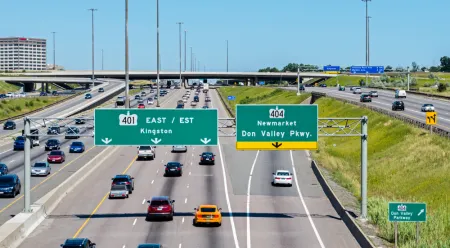
Even though Ontario eliminated sticker fees, renewing your vehicle registration is still legally required. Skipping it can lead to hefty fines and penalties.

To legally transfer vehicle ownership in Ontario via sale or gift, both parties need valid licenses, active insurance, and critically, the green vehicle ownership permit.
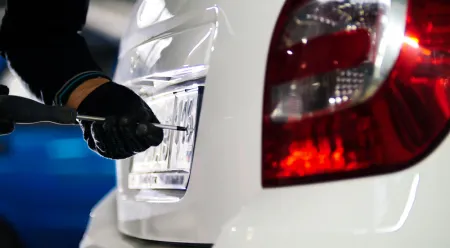
Ontario sees its share of vehicle-related crime, including stolen licence plates. Knowing how to replace one helps drivers stay prepared if it happens to them.