*This blog was recently updated with new information
Car accidents are stressful, confusing and traumatizing (trust me, I’ve been there!). Whether it is a minor fender-bender or a serious collision where your vehicle is written off, knowing what to do right away protects your safety, your rights and your insurance claim.
Data from the International Transport Forum shows that each year in Canada, more than 1,800 people are killed and more than 150,000 are injured in road accidents, with an estimated annual loss of $40.7 billion. Common causes include drunk driving, distracted driving, poor vehicle maintenance, bad weather, and driver fatigue.
If you’re in a crash and unsure what to do, stay calm, prioritize safety for everyone involved and follow these steps:
Step 1: Emergency response
If possible, move your vehicle out of traffic and turn on hazard lights or use emergency triangles. Call 911 if anyone is hurt, or if there’s significant damage to property.
Step 2: Call the police and file a collision report
Report the accident if there are injuries, major damage, or damage to public property. In serious crashes involving fatalities, suspected crimes such as impaired driving, staged collision or total loss, the police will arrive at the scene. When paramedics arrive, get yourself checked for vitals as our bodies don’t respond to trauma right away. Make sure you’re doing okay before going ahead with the formalities.
For less severe accidents where your vehicle can still be driven, many cities have Collision Reporting Centres where you can file a police report within 24 hours of the incident.
Step 3: Document the incident
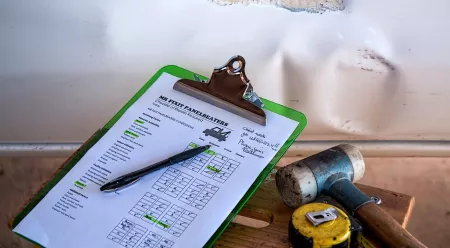
Record all collision details using an accident report form to make sure you have all the details required to file your claim. Include:
Time, location, date and how the collision happened
Road and weather conditions at the time of the collision
Names, address, license plate number, insurance details of all drivers, passengers and witnesses
- Take pictures of all vehicles, damage, surroundings, license plates, and any skid marks. If you have a dashcam, save the accident recording. If photos or videos aren’t possible, draw a quick diagram including positions, directions and signals or stop signs.
- If you need a tow truck, you can request estimates of fees prior to getting the service.
Step 4: Filing an insurance claim
Even if you’re not at fault, you should still notify your insurer and start a claim. Relying on the other driver involved in the accident to handle it could backfire, especially if they delay, provide inaccurate information, or never file a claim. Opening your own claim ensures the process moves forward correctly and appropriate actions are taken. When filing a claim, be ready with:
- Time and date of accident
- Location
- Description of what happened
- Photos or video evidence (if available)
- Police report number (if applicable)
Your insurance representative will guide you on the next steps, including towing, repairs, and rental options. This also protects you if disputes arise later. Don’t tow your car to a storage facility unless directed by your insurance representative.
You can expect a call from your insurance company’s claim adjuster as they investigate the incident. They will ask you many questions or request evidence. It is best not to rush into a settlement and wait until you fully understand the extent of injuries and damage.
Step 5: Handling faults and disputes
Your compensation will depend on whether you’re at fault and your insurance coverage.
If you’re at fault:
Your insurance adjuster will assess the incident as per Fault Determination Rules, which outlines dozens of accident scenarios. Fault can range from 0% to 100%, and if you’re found more than 25% at fault, your insurance rates will likely increase. If you have collision coverage, your insurer will cover repairs or replacement up to your policy limit, minus deductible.
If you’re not at fault, coverage works differently. In Ontario, the mandatory coverage – Direct Compensation – Property Damage (DCPD) pays for your share of damages, even of you don’t have collision coverage. If the other driver is uninsured but can be identified, your policy’s Uninsured Automobile coverage will apply to them.
If your vehicle can be repaired, your insurer may authorize and direct you to a preferred shop. If repairs cost more than the car’s value, your insurer may declare it a total loss and issue a settlement. If you’re injured, you could also be eligible for accident benefits like income replacement or medical coverage.
If a child’s car seat was in your vehicle at the time of the accident, make sure to mention it when filing your claim. If your car is declared a total loss, the car seat will be considered one as well. You can request reimbursement from your insurer for a replacement.
Being in an accident is overwhelming and traumatizing, but following these steps can help protect your safety, finances and your peace of mind. Trust an insurance professional to help you protect and navigate through these uncertainties.